

Struggling to See While Driving Home in the Dark? How Daylight Saving Time Impacts Your Night Vision in Monson
Struggling to See While Driving Home in the Dark? How Daylight Saving Time Impacts Your Night Vision in Monson
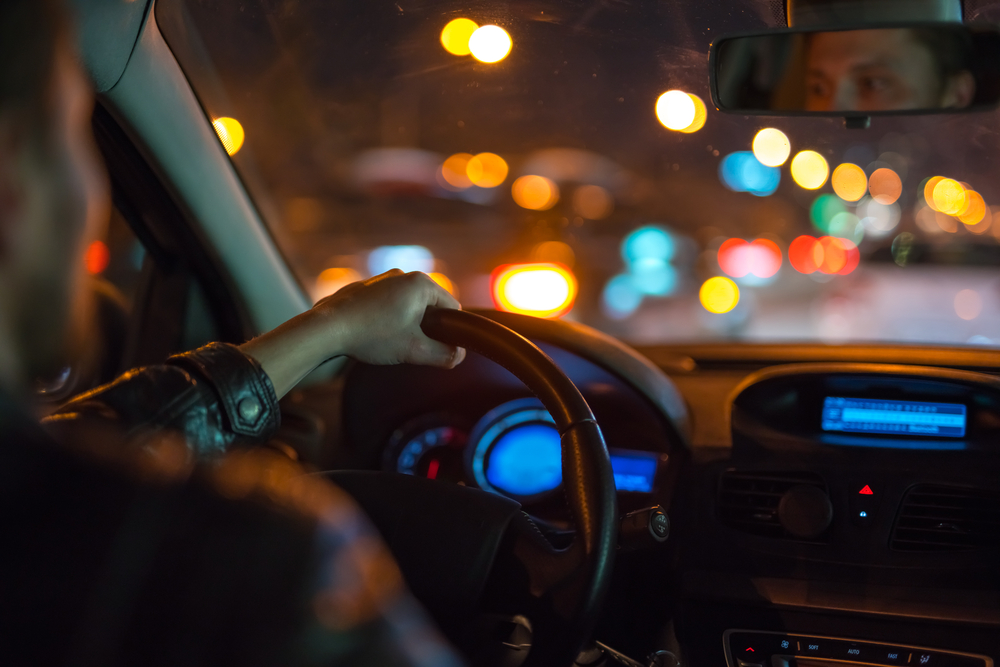
When daylight saving time ends, a familiar drive home can suddenly feel more difficult. Headlights seem brighter, road signs look less clear, and pedestrians may be harder to spot. For drivers in Monson, earlier evening darkness can reveal vision problems that are less noticeable during the day. At Andrews Vision Care, we help patients understand these changes and determine whether their eyes need attention.
Why the Fall Time Change Affects Your Commute
Turning the clocks back does not directly damage your night vision. It shifts sunset to an earlier clock time, putting more of your evening routine after dark.
In low light, your pupils widen to let in more light, and your eyes have a harder time distinguishing details and contrast. An outdated glasses prescription or an existing eye condition may become more noticeable. Bright headlights against a dark background can add distracting glare.
What May Be Behind Blurry Night Vision?
Uncorrected nearsightedness or astigmatism can make distant signs appear blurry and lights look streaky. Even if your daytime vision seems adequate, your prescription may need updating.
Dry eye can cause fluctuating blur, and warm air blowing toward your face from car vents may worsen discomfort. Cataracts can also increase glare and halos while making dim surroundings harder to see. These symptoms can overlap, which is why we recommend an eye exam instead of assuming the problem is simply brighter headlights or getting older.
Practical Ways to Improve Visibility
Before your next evening drive through Monson, take a few steps to reduce avoidable visual distractions:
Clean your windshield inside and out, along with your glasses and headlights.
Wear your prescribed glasses or contacts, and have your prescription checked if signs look blurry.
Lower dashboard brightness enough to reduce glare while keeping controls readable.
Direct heating vents away from your eyes.
Avoid sunglasses or tinted lenses at night, which reduce the light reaching your eyes.
Clear prescription lenses with an anti-reflective coating may reduce reflections from the lenses. However, they do not treat cataracts or other eye diseases. Yellow-tinted “night driving” glasses have not been shown to improve pedestrian detection in simulated nighttime driving.
How an Eye Exam Can Help
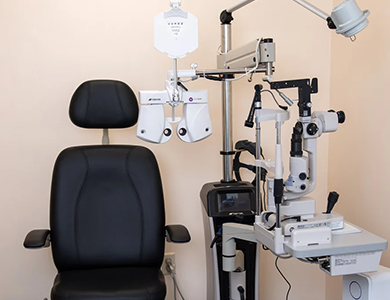
During an eye exam at our Monson practice, we review your symptoms, check your prescription, and evaluate your eye health. Tell us whether you notice halos, fluctuating blur, difficulty reading signs, or problems in one eye more than the other. This helps us identify possible causes and recommend appropriate next steps.
If you cannot see well enough to drive safely, arrange another ride and avoid driving after dark until you have been evaluated. Sudden vision loss or new severe eye pain requires immediate medical attention.
If glare or blurry night vision is making your evening commute difficult, schedule an eye exam with Andrews Vision Care in Monson, MA. Call (413) 267-4200 to book your visit and discuss your concerns with our team.

Monday 9:00 am - 6:30 pm
Tuesday 9:00 am - 4:30 pm
Wednesday 9:00 am - 4:30 pm
Thursday CLOSED
Friday CLOSED
Saturday CLOSED
Sunday CLOSED
© 2026 Andrews Vision Center | All Rights Reserved. Accessibility Statement - Privacy Policy - Sitemap
Managed and designed by: 